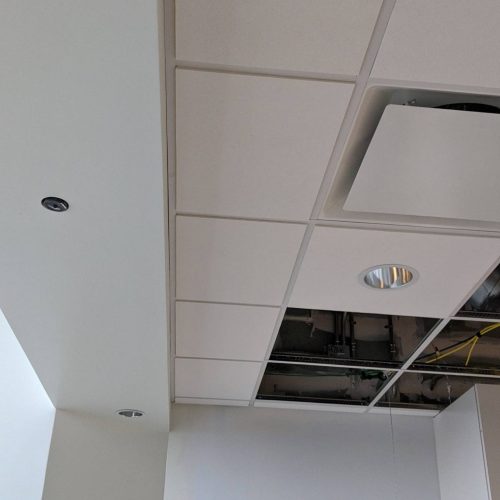
Acoustics is the science of sound. This discipline deals with physical as well as psychological aspects of sound, and our perception and reaction to it. It also covers many topics including instrument design, architectural acoustics, noise control, speech acoustics, and more!
Soundproofing is not an exact science. There are no hard and fast rules to follow, but there are methods that have been performed over the years with great success. For beginners and hobbyists, this may seem like a daunting challenge. But don’t get discouraged! It can be fun and rewarding learning how to apply different techniques in order to get the results that you want.
The first thing is to identify what sound you are trying to reduce or eliminate. The next important step is to figure out how sound travels through space, and once it enters the space of your concern, how does it interact with the materials in that room? Here are some questions that will help guide you in the right direction:
What is the purpose of your space?
Is it a music studio or theater? Office, retail, restaurant or hospitality? Perhaps a gymnasium or maybe even a large communal area for entertaining guests? What materials are already there that you’re working with? Is carpet covering most of the floor, or are there hardwood floors? Are trim details like chairs, tables, or bookshelves already in place? Is the general layout a square or rectangle or perhaps even L-shaped? What about the ceiling? Or are you planning to build one that’s higher than normal due to a room expansion or loft conversion?
What is your budget for soundproofing?
Is it a fixed budget or is there some room for flexibility?
All of these questions are important because they will help you decide the best course of action to take. Learn about different materials, their inherent qualities and how they function under the right conditions. This way, you’ll be able to .select what’s best for your project. Experimenting is never a bad idea, as long as you know what the effects of your experimentation will be. Ambient level monitoring using a sound recording app on your smartphone or tablet is a smart way to evaluate how well your work has done and whether further adjustments need to be made.